Flexible Healthy Meal Plan: 1 Week or 1 Month
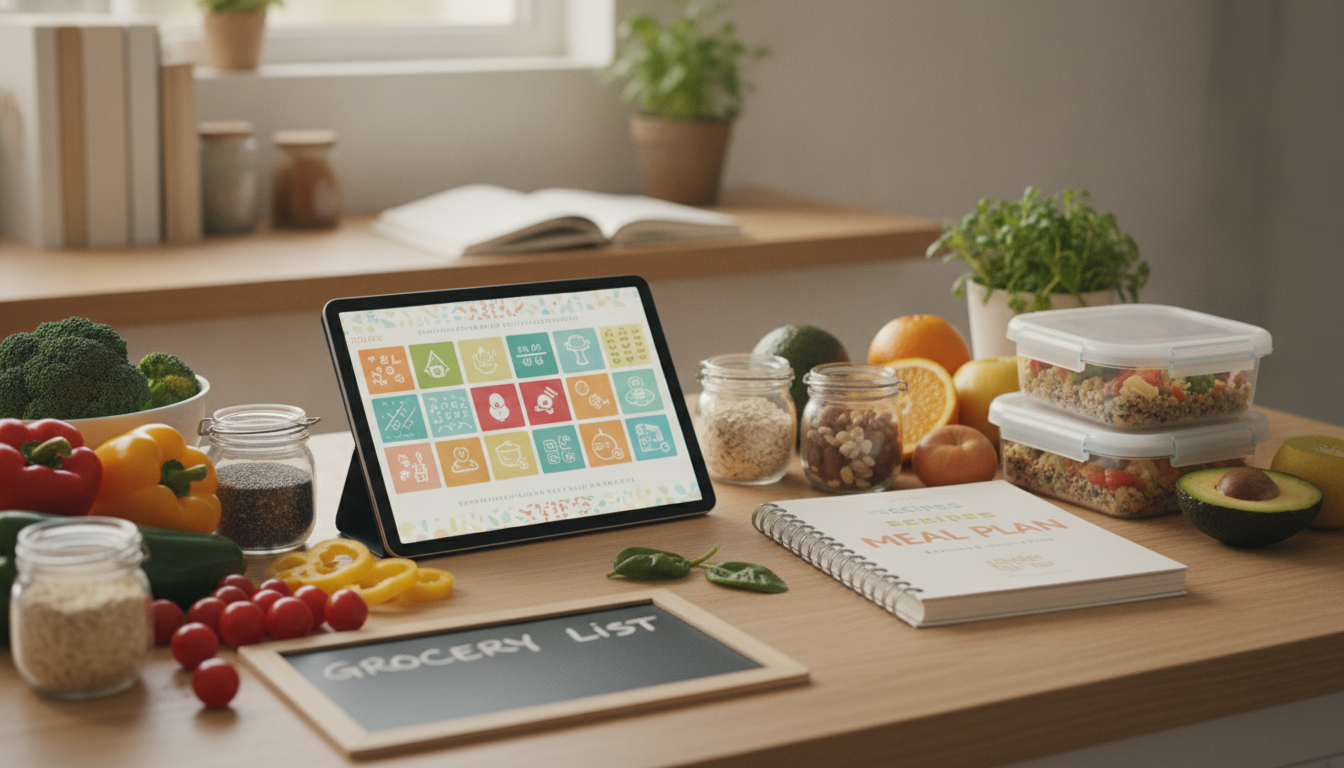
Healthy Meal Plan & Recipe Collection: One Week or One Month of Balanced Meals (Breakfast, Lunch, Dinner & Snacks)
A practical meal plan can remove the daily guesswork of “what’s for food” while still supporting steady energy, satiety, and nutrient variety. A good system doesn’t need perfect cooking skills or complicated rules—just a repeatable structure, a few flexible swaps, and a realistic prep routine that works on busy weeks. Below is an easy approach to running a one-week or one-month rhythm using balanced plates, mix-and-match components, and simple grocery overlap—plus a digital recipe collection designed to keep breakfast, lunch, dinner, and snacks organized.
What a “balanced” meal plan looks like day to day
A balanced plan is less about perfection and more about a consistent pattern you can follow even when time (and motivation) changes. One of the simplest approaches is a “plate pattern” similar to the guidance from the Harvard Healthy Eating Plate: plenty of vegetables/fruit, a solid protein, and high-fiber carbs, with healthy fats when needed.
- Build meals around vegetables/fruit + protein + high-fiber carbs; add healthy fats (olive oil, nuts, avocado) as needed for satisfaction.
- Aim for protein at each meal and most snacks to support fullness and recovery (eggs, yogurt, beans, tofu, poultry, fish).
- Prioritize fiber from vegetables, fruit, legumes, and whole grains; increase gradually and pair with water.
- Keep sodium, added sugars, and highly processed snacks as “sometimes” choices rather than the default.
- Maintain steady hydration; pair caffeine with food when possible to reduce energy crashes.
For additional evidence-based structure, the Dietary Guidelines for Americans and the CDC’s healthy eating resources offer practical, mainstream recommendations you can adapt to your preferences.
One-week vs. one-month planning: choosing the right rhythm
The best timeline is the one you’ll actually follow. A one-week plan is great when life is unpredictable or you’re learning what meals you truly enjoy. A one-month plan shines when your schedule repeats and you want fewer planning sessions overall.
Planning formats at a glance
| Format | Best for | Pros | Watch-outs | Simple tip |
|---|---|---|---|---|
| One-week plan | Busy weeks, beginners, variety with fewer leftovers | Fresher produce, faster adjustments, simpler grocery list | More frequent planning sessions | Repeat 2–3 breakfasts and 2 lunches to reduce decisions |
| One-month plan | Stable routines, budget focus, bulk prep | Lower planning time over the month, easy habit-building | Can feel repetitive if not rotated | Use 4 weekly templates and rotate sauces/spices |
- One-week plans work best for beginners, smaller households, and tighter freshness windows; they simplify shopping and reduce food waste.
- One-month plans help when schedules repeat (work/school routines) and when bulk-buying saves money.
- A monthly plan stays realistic when built from 4 themed weeks (repeat breakfast options, rotate lunches/dinners).
- Plan “buffer meals” for unexpected nights (freezer-friendly chili, sheet-pan chicken, quick stir-fry).
- If motivation fluctuates, choose a one-week plan and repeat it 2–4 times with small swaps (different veggies, sauces, proteins).
A simple structure for breakfast, lunch, dinner, and snacks
Instead of reinventing the wheel at every meal, use a template and plug foods into it. This keeps nutrition steady while allowing creativity where it’s fun (like sauces and seasonal produce).
- Breakfast: protein + fiber base (Greek yogurt + berries + oats; eggs + sautéed greens + whole-grain toast).
- Lunch: leftovers or bowl-style meals (grain/greens + protein + crunchy vegetables + dressing).
- Dinner: one-pan or batch-friendly mains with two sides (vegetable + starch) for easy portioning.
- Snacks: pair protein with produce (apple + nut butter; cottage cheese + cucumber; hummus + carrots).
- Set yourself up: keep “mix-and-match” components ready—washed greens, cooked grains, roasted vegetables, and one go-to sauce.
Meal prep that actually gets used
Meal prep works best when it supports multiple meals, not when it locks you into one exact menu you might not want by Wednesday. A flexible prep session can turn into breakfasts, lunches, and dinners with minimal extra cooking.
Common swap list for preferences and dietary needs
What’s inside the Healthy Meal Plan & Recipe Collection eBook
If you’d rather follow a ready-to-use framework than build everything from scratch, the Healthy Meal Plan & Recipe Collection eBook (one-week or one-month plan) is designed to make planning feel straightforward and doable.
For a simple hydration routine to pair with meals (especially if you’re building a steady morning rhythm), consider using a dedicated mug or cup you genuinely like—something as simple as the Retro Ceramic Teacup can make it easier to keep warm drinks and water habits consistent.
How to get started today (a low-effort setup)
FAQ
Is a one-month meal plan too repetitive?
It can feel repetitive if every week is identical, but most people benefit from repeating a few core breakfasts and lunches. Keep it interesting by rotating vegetables, sauces, spices, and swapping proteins, and consider a four-week template so each week has a different “theme.”
How can a healthy meal plan work with a busy schedule and minimal cooking?
Rely on ingredient prep (one grain, one protein, roasted vegetables), sheet-pan dinners, and leftovers for lunch. Keep quick snacks on hand and use a no-cook backup meal (canned beans or fish + prewashed salad + microwave grains) for hectic nights.
Can the meals be adjusted for vegetarian or gluten-free needs?
Yes—swap proteins (beans, lentils, tofu, tempeh) and choose naturally gluten-free carbs like rice, quinoa, and potatoes. When needed, use dairy-free options like fortified plant milks or higher-protein plant yogurts to keep meals balanced.










Leave a comment