Aluminum Car Trash Can: Keep Your Cabin Clean Daily
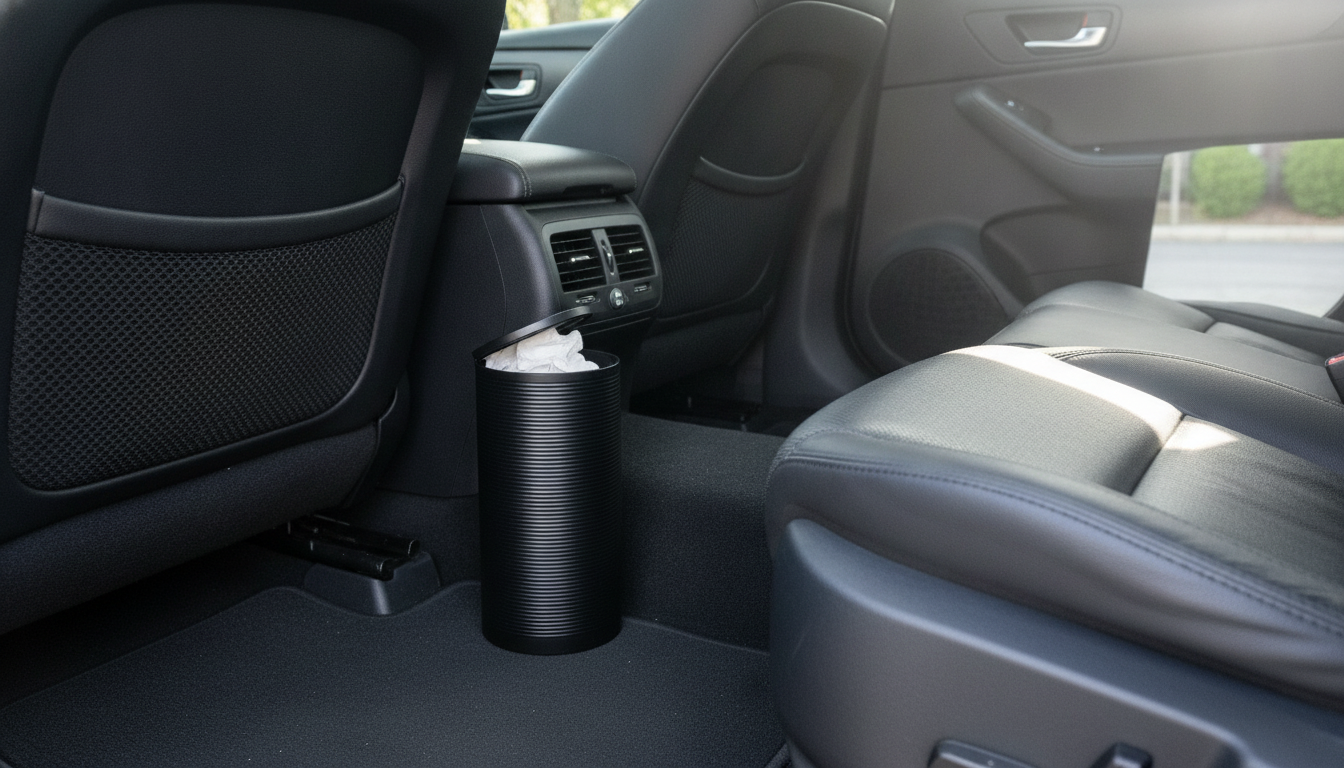
Aluminum Car Trash Can: A Small Upgrade That Keeps Your Cabin Clean
Loose wrappers, receipts, and takeout bits add up fast—especially on commutes, road trips, and school runs. An aluminum car trash can offers a simple, durable way to keep trash contained, reduce clutter, and make quick cleanups easier without relying on disposable bags floating around the cabin.
What a car trash can solves (and why it matters on daily drives)
A dedicated trash spot sounds minor until you notice how quickly “just one receipt” turns into a mess that spreads across the entire interior. A compact bin helps keep the cabin more comfortable, more organized, and easier to reset after every drive.
- Keeps small trash (wrappers, tissues, receipts) from ending up in cupholders, door pockets, and floor mats
- Helps reduce odors by containing waste in one spot instead of spreading it across the cabin
- Cuts down on “cleaning day” overwhelm by making tidying a quick routine
- Supports safer driving by limiting loose items that can distract or shift under pedals (see NHTSA guidance on distracted driving)
Why aluminum is a strong choice for a car bin
Car interiors are hard on accessories: temperature swings, bumps, spills, and constant handling. Aluminum stands out as a practical material for a bin that gets used daily.
- Rigid structure resists crushing compared with soft fabric bins, helping the container keep its shape
- Wipes clean quickly after spills or sticky residue—ideal for coffee drips, gum wrappers, or snack mess
- Looks clean and minimalist, blending with modern interiors and avoiding the “saggy bag” look
- More durable over time than thin plastic options that can crack or warp
Best placement options in most vehicles
Placement is where a car trash can goes from “nice idea” to “actually gets used.” The goal is convenience without interfering with driving controls or safety systems.
- Front seat area: convenient for drivers and passengers—aim for a spot that doesn’t interfere with pedals, seat rails, or airbags
- Center console area: good for shared use and quick toss-in without twisting around
- Back seat zone: best for families, rideshare drivers, or frequent passengers—keeps kid clutter contained
- Trunk/boot: suitable for longer trips and larger volume trash, but less convenient for quick disposal
If you’re deciding between “closest to the driver” and “best for the whole car,” choose the location that makes it easiest to use with one simple movement—without reaching into the driver footwell.
Everyday use: simple routines that keep the car consistently tidy
A car bin works best when it becomes part of your normal rhythm. The easiest systems are the ones that don’t require extra steps or special tools.
- Line it: use a small bag or liner (if compatible) for faster emptying and less residue buildup
- Empty on a schedule: pair it with a habit like fueling up, grocery runs, or weekly car wash visits
- Sort as you go: keep true trash separate from items that belong elsewhere (charging cables, sunglasses, coins)
- Set a rule for passengers: “trash goes in the bin immediately” to prevent door-pocket clutter
For road trips, it also helps to keep a second “not trash” container (like a small pouch) for items you want to keep—receipts you need to submit, parking stubs, or kids’ small toys.
Cleaning and odor control tips that work in real cars
Most “car smells” start with a few overlooked items: a half-finished drink, a greasy napkin, or fruit peels. A bin helps, but upkeep is what keeps it pleasant.
When possible, keep recyclables separate from food waste. That small habit can reduce odor and aligns with everyday waste-reduction basics from the U.S. EPA’s Reduce, Reuse, Recycle guidance.
Quick comparison: aluminum vs. common alternatives
| Material | Strengths | Trade-offs | Best for |
|---|---|---|---|
| Aluminum | Durable, rigid, easy to wipe clean, sleek look | Can show fingerprints; may need a liner for fastest emptying | Daily commuters, minimalist interiors, snack-heavy rides |
| Plastic | Lightweight, low cost, simple shapes | May crack/warp; can hold stains/odors | Occasional use, backup bin |
| Fabric | Compressible, often larger capacity, pocket options | Harder to sanitize; can retain odors and stains | Families needing capacity; low-spill use |
Who benefits most from a compact car trash can
Product spotlight: Aluminum Car Trash Can
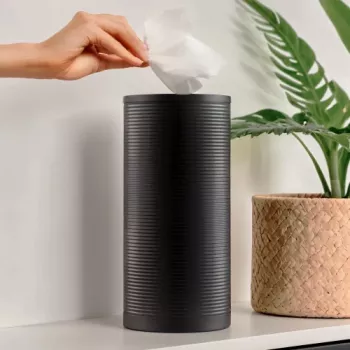
If you want a simple, durable bin that looks at home in a modern interior, the Aluminum Car Trash Can is a compact option designed to keep everyday cabin clutter in one contained place. Its aluminum build supports frequent use and quick wipe-down maintenance, which is especially helpful when the “trash” includes coffee drips, snack crumbs, and sticky wrappers.
More in-stock picks that pair well with cleaner trips
- Minimalist Travel Packing Planner | Digital Packing Guide for Light, Smart & Stress-Free Trips — useful for organizing road trip essentials so the cabin stays calmer and less cluttered.
- Homework Help Made Easy Toolkit for Parents — a helpful companion for school-run routines, keeping home organization on track when the car is part of the daily hustle.
FAQ
Where should a car trash can be placed for safety?
Place it where it won’t interfere with pedals, seat movement, airbags, or visibility, and where it can sit securely without sliding. Avoid the driver footwell and any spot that could shift under braking.
How often should a car trash can be emptied?
Empty it every few days or weekly, and sooner any time you toss food waste or wet items. Tying it to a routine—like fueling up or a weekly car wash—makes it easy to keep consistent.
How do you prevent odors in a car trash bin?
Use a liner when possible, empty promptly after food or liquids, and wipe and dry the bin regularly. If odors linger, add a small charcoal deodorizer or baking soda sachet nearby.








Leave a comment