USB Portable Juicer Guide: Smoothies Anywhere
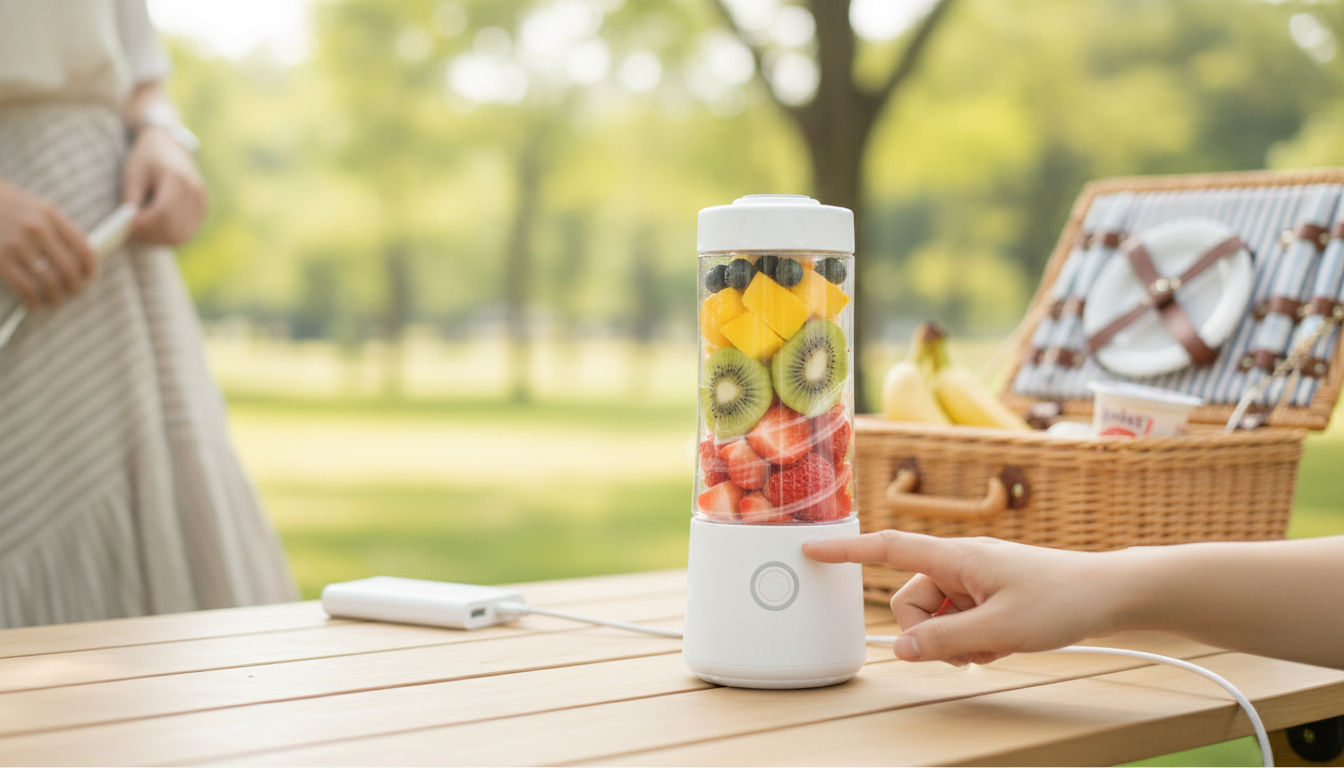
Compact High-Speed Portable Juicer: Big Convenience in a Small Cup
A compact, USB-powered blender can turn a handful of fruit and a splash of liquid into a smoothie almost anywhere—at your desk, after a workout, on a road trip, or in a hotel room. A high-speed portable juicer (really a personal blender) is built for quick, single-serve blends, fast rinsing, and easy storage. Below is a practical guide to what it handles well, how to get smoother results, and how to keep cleanup simple so you actually use it every day.
What This Portable Juicer Can Do Day to Day
Most cup-style portable blenders shine when you keep the portions modest and the ingredients sensible. For everyday use, they’re great for:
- Soft-fruit smoothies and shakes: Banana, berries, mango, and yogurt-based blends typically come out creamy with the right liquid-to-solid ratio.
- Single-serve portions: Make one drink at a time—ideal for quick breakfasts, desk snacks, or a light post-workout refuel.
- Small “food processor” tasks: Blend simple sauces, emulsify salad dressings, or puree soft foods for baby meals once everything is fully cooled.
- Less hassle than a full-size blender: Fewer parts, faster rinse, and it tucks away easily when counter space is tight.
If you want a travel-friendly option that keeps things simple, the Compact High-Speed Portable Juicer – USB Powered Fruit Blender & Personal Food Processor is designed around that grab-and-go routine—blend, sip, rinse, repeat.
Key Features That Matter in a Compact High-Speed Design
Portable juicers can look similar, but a few details make a noticeable difference in daily use:
- USB charging + onboard battery: Charge from a power bank, laptop, or wall adapter so it fits commutes and travel days without hunting for outlets.
- High-speed performance (within reason): You’ll notice the speed most with soft fruit, liquids, and small ice—especially when you don’t overload the cup.
- Cup-style convenience: Many designs let you blend and drink from the same container. Before tossing it in a bag, double-check the lid seal and the cup’s capacity.
- Safety interlocks: Many portable units won’t start unless the cup is seated correctly—helpful for preventing accidental starts and leaks.
For frequent travelers, pairing a portable blender with a lightweight organization system can make healthy habits easier to maintain. The Minimalist Travel Packing Planner | Digital Packing Guide for Light, Smart & Stress-Free Trips can help keep essentials like a small blender, charger, and reusable utensils from getting forgotten at home.
Quick Start: Getting a Smooth Blend Without Strain
Portable blenders do best when ingredients can circulate freely. A few small habits prevent stalls and help you get a smoother texture:
- Add liquids first: Start with water, milk, juice, or coconut water to help the blades catch and move ingredients.
- Cut fruit into small chunks: Remove pits and thick peels; smaller pieces blend faster and put less strain on the motor.
- Pulse when needed: If things stall, use short pulses and gently swirl the cup (with the lid secured) to redistribute contents.
- Don’t pack solids tightly: Leave space for movement—an overfilled cup is the most common reason for uneven blends.
Blend Results by Ingredient Type
| Ingredient | Best Prep | Add Liquid? | Notes for Better Texture |
|---|---|---|---|
| Banana, berries | Halve/quarter pieces | Yes | Excellent for creamy smoothies; add yogurt for thickness |
| Mango, pineapple (soft) | Small chunks | Yes | Blend with juice or coconut water for smoothness |
| Leafy greens | Tear into small pieces | Yes | Blend with softer fruit; strain if very fibrous |
| Ice | Small cubes | Yes | Add last; use more liquid and shorter pulses |
| Nuts/seeds | Use small amounts | Yes | May remain gritty; soak seeds for smoother texture |
Where It Fits: Home, Work, Gym, and Travel
The best part of a USB-powered personal blender is how easily it slides into existing routines:
- Work desk: Make a quick smoothie or shake without relying on a shared office kitchen.
- Gym bag: Blend protein with fruit for a more filling post-workout drink (and a better texture than dry powder alone).
- Road trips and hotels: Pick up a bottle of juice or milk and blend with fruit from a grocery store—no full kitchen required.
- Small kitchens and dorms: Covers everyday blending while saving space and reducing cleanup.
For a calmer morning routine at home, it can be nice to set up a small “drink station” with a cup, spoon, and napkin nearby—especially if you’re blending coffee smoothies or matcha-style mixes. A simple piece like the Retro Ceramic Teacup can keep the countertop looking intentional while you prep and sip.
Cleaning, Care, and Battery Habits That Extend Lifespan
Quick cleanup is the whole point—so it helps to do it immediately. Sticky residue becomes tougher to remove as it dries, and leftover sugars can lead to odors.
For broader kitchen hygiene and safe food handling basics—especially when working with dairy, fresh produce, and on-the-go storage—reliable guidance is available from the CDC and USDA FSIS.
Safety Notes and Common Mistakes to Avoid
Easy Blend Ideas for a Portable Cup Blender
Is a Portable Juicer the Right Choice Compared to Other Options?
FAQ
Can a USB-powered portable blender crush ice?
Small cubes or crushed ice can work best when paired with enough liquid and short pulses. Add ice last, avoid overfilling, and stop to redistribute ingredients if the blend stalls.
How long does a portable blender take to charge and run?
Charge time depends on battery size and charger output, but a full charge often supports multiple short blend cycles. For travel days, charge fully ahead of time and bring a power bank for quick top-ups.
What should not be blended in a compact portable juicer?
Avoid very hard items like large ice blocks, large amounts of whole nuts, extremely thick mixtures with little liquid, and carbonated drinks. These can cause stalling, leaks, or unnecessary motor strain.








Leave a comment