Calm Your Mind: Guided Meditation Series for Anxiety Relief
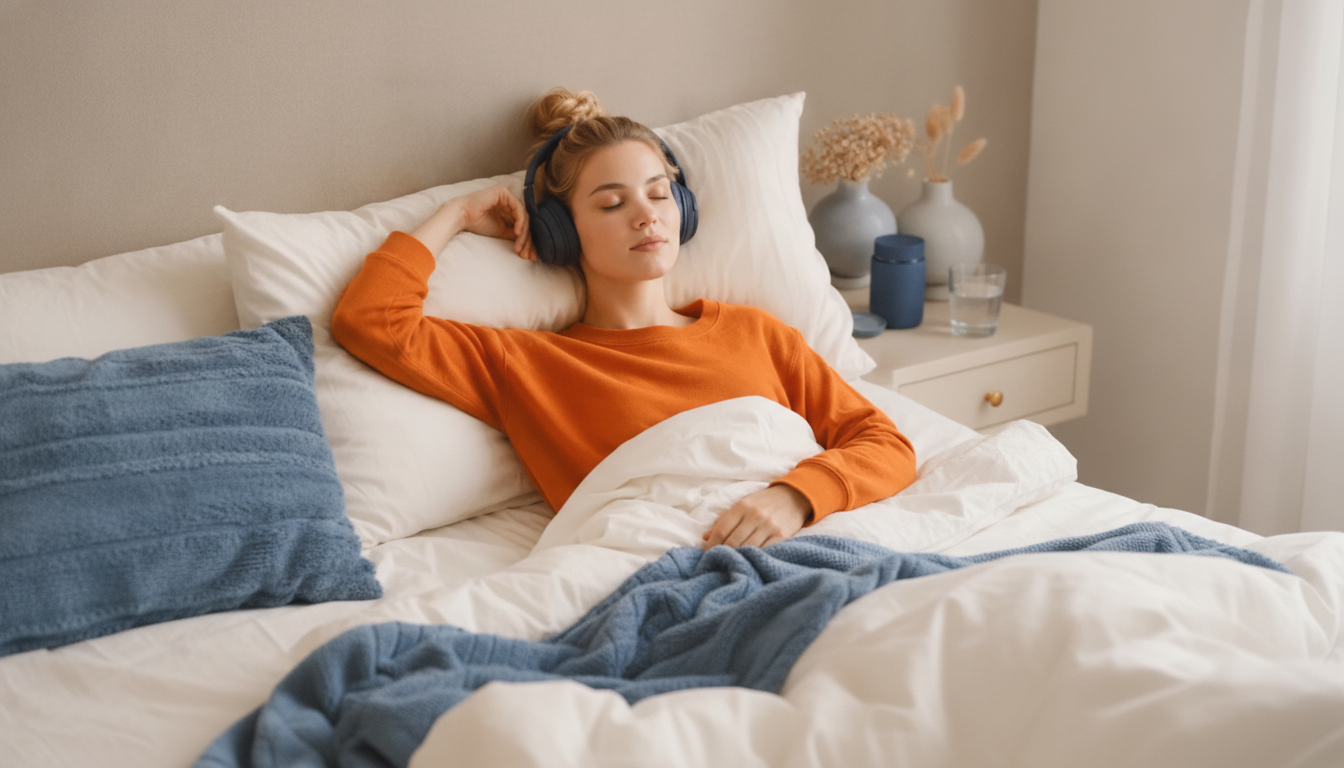
Calm Your Mind, One Track at a Time
Racing thoughts, tight shoulders, and a constant sense of being “on” can make even small tasks feel heavy. A guided meditation series can help create a repeatable off-ramp—short, structured audio sessions that support calmer breathing, steadier attention, and a softer response to stress. Instead of trying to figure out what to do when anxiety spikes, you press play and follow a simple set of cues.
Mindfulness and meditation practices are widely studied for stress and well-being. For a deeper look at effectiveness and safety, the National Center for Complementary and Integrative Health (NCCIH) summarizes research and practical considerations.
What a guided meditation series does differently than a single track
A one-off meditation track can be soothing, but a series is designed to build momentum. It typically moves from basic breath awareness to working with thoughts, emotions, and body tension in a progressive way.
- Builds consistency through a sequence: sessions often progress from foundational skills (breath and body) to more nuanced tools (observing worry loops, softening reactivity).
- Reduces decision fatigue: pressing play is easier than choosing techniques in the moment—especially when anxiety is already loud.
- Uses a familiar voice and structure: repeated cues can become a conditioned “calm signal,” helping the nervous system recognize it’s safe to downshift.
- Supports real skill-building: over multiple sessions, many people get better at noticing thought loops, relaxing the body, and returning to the present without forcing it.
Signs an audio course may be a good fit for anxiety relief
Guided audio works especially well when silence feels like a blank canvas for worry. Consider a guided meditation series if any of these sound familiar:
- Your mind feels busy at bedtime or on waking, with repetitive “what if” thoughts.
- Your body carries stress (jaw tension, shallow breathing, tight chest) even when nothing urgent is happening.
- It’s hard to meditate alone because “quiet time” turns into rumination.
- You need a practical routine that fits into small windows (5–15 minutes) between obligations.
The American Psychological Association also highlights how mindfulness practice can support attention and stress management over time—skills that often matter more than trying to “empty the mind.”
How to use a guided meditation series in a busy schedule
The easiest routine is the one you’ll actually repeat. A guided series becomes more effective when it’s paired with an existing habit and kept frictionless.
- Choose an anchor time: pair the session with brushing teeth, before coffee, after lunch, or before sleep.
- Start smaller than expected: short daily practice is often more sustainable than occasional long sessions.
- Use “bookends”: a brief morning session to set your tone and a short evening session to downshift.
- Keep setup frictionless: headphones nearby, volume preset, notifications silenced, and a comfortable seat ready.
- If you miss a day, resume normally: don’t “make up” multiple tracks—consistency beats perfection.
Simple daily routines that pair well with guided audio
| Time of day | Goal | Suggested session length | Best environment |
|---|---|---|---|
| Morning | Settle the mind before demands begin | 5–10 minutes | Seated, phone on Do Not Disturb |
| Midday | Interrupt stress build-up and reset focus | 3–8 minutes | Desk chair or parked car |
| Late afternoon | Release tension and transition out of work mode | 5–12 minutes | Quiet corner, gentle light |
| Bedtime | Slow thoughts and relax the body for sleep | 8–15 minutes | In bed or reclined, low volume |
What to expect during sessions (and what’s normal)
Meditation isn’t a performance. It’s a practice of noticing what’s happening and returning—again and again—with less strain.
- Wandering thoughts are expected: noticing drift and returning to the guide is the practice, not a failure.
- Emotional release can happen: calm sometimes arrives after feeling what was being avoided—tightness, sadness, irritation, or fatigue.
- Physical sensations may shift: tingling, warmth, heaviness, or softer breathing can show up as the body unwinds.
- Some days feel “quiet,” others feel “busy”: progress often looks like faster recovery after stress, not constant calm.
Getting more benefit: small adjustments that add up
A simple way to make the ritual feel tangible is to dedicate a “wind-down” cup for evenings. The Retro Ceramic Teacup pairs well with a short bedtime session, helping signal a consistent transition into rest.
Calm Your Mind: Guided Meditation Series | Audio Course | Anxiety Relief Meditation
If voice-led structure helps you stay on track, Calm Your Mind: Guided Meditation Series (audio course) is designed as a set of guided audio sessions to support calmer thoughts and steadier emotions.
For travel days that can amplify anxiety, a simple plan can reduce last-minute stress. The Minimalist Travel Packing Planner can help make transitions smoother so your nervous system isn’t already running hot before you even leave.
Who this style of meditation is best for (and when to get extra support)
Guided meditation can complement professional care; for persistent or worsening symptoms, consider talking with a qualified clinician. For an overview of anxiety disorders and when to seek help, the National Institute of Mental Health (NIMH) provides clear guidance.
FAQ
How often should guided meditation be used for anxiety relief?
Aim for daily or near-daily short sessions (5–15 minutes). Consistency matters more than duration; reassess after 2–4 weeks based on sleep quality, stress recovery, and how often you spiral into repetitive thoughts.
What if guided meditation makes the mind feel busier?
That’s common at first, especially if your mind is used to staying in “problem-solving mode.” Try shorter tracks, keep eyes open, focus on external sounds, and treat “noticing and returning” as the goal; if distress spikes, pause and use grounding or seek professional guidance.
Can guided meditation replace therapy or medication?
Guided meditation can be a supportive tool, but it isn’t a replacement for individualized medical care. For significant anxiety, it works best alongside evidence-based treatment and a clinician’s personalized recommendations.










Leave a comment